

Written by Bertha
World Mental Health Day 2020
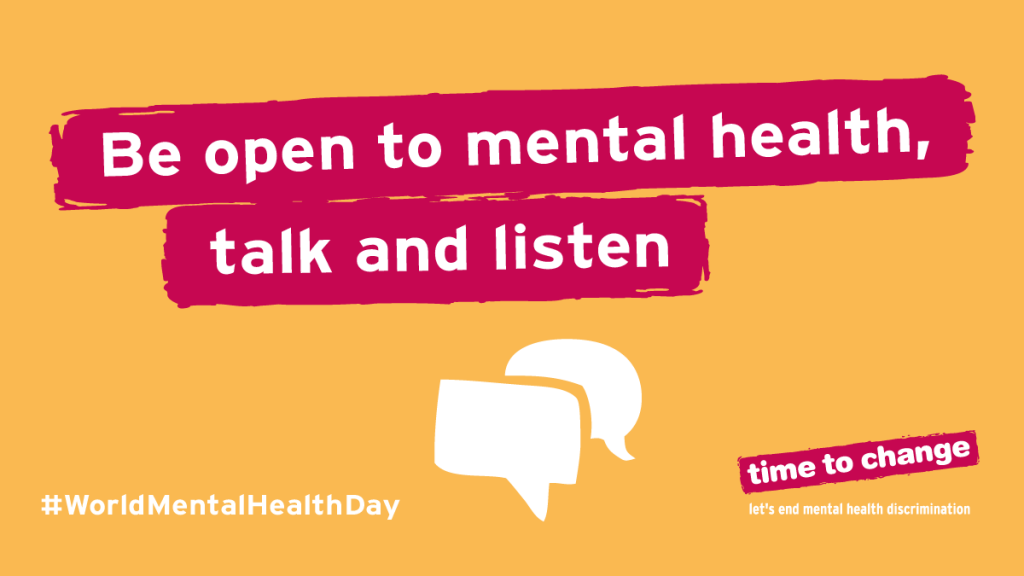
World Mental Health Day 2020 was on Saturday 10th October. More than ever this year people will be more aware of their own mental health, possibly the mental health of others close to them and coping strategies to deal with struggles they may be facing. This is the second part of the series written by Bertha aimed at achieving a stress-free academic life. We understand that everyone is different and some of these tips may not be useful or work for you and that’s okay these suggestions are based on experiences.
Stress to some degree is a normal part of life, it is only when the amount we are experiencing exceeds our capacity and resources to manage it that we run into difficulty and find ourselves in a vicious cycle of stress. This is a continuation of my two-part blog series. Here are some more tips on having a stress-free academic life.
Zzzz
Maintaining a sleep routine is of paramount importance to mental health and managing stress. Taking time to relax before you go to sleep can help the quality of your sleep. Try to go to sleep at the same time and wake up at the same time each day. Seven to eight hours is recommended.
Stress can often interrupt your sleeping pattern so try to do everything you can to relax yourself before going to bed. Take a bath to wind down, watch your favourite TV show or sit quietly and read. Avoid screen time as much as possible before bed, so switch off laptops, phones and tablets at least an hour before going to sleep. It is very important that you manage your time effectively and develop a good study schedule so that you don’t have to pull an all-nighter before an exam. Going without sleep actually makes it harder to remember facts and learn new things.
Move that body
Exercise can be hugely beneficial for the mind as well as the body. Regular exercise releases endorphins “feel-good hormones” that can help to reduce tension, ease stress and allow the mind to focus on something other than worries and concerns.
This doesn’t have to be a gruelling gym session, you simply need to get your heart racing, for example by going for a brisk walk or a bike ride.
Studies have shown that a regular exercise routine often decreases symptoms of depression and stress. So, say yes to exercise and sports. Routine exercise keeps one fit, relax body joints, reduces fatigue and burns fat. This includes relaxation, deep breathing exercises or guided meditation.
If you’d like to get moving but are struggling for inspiration see what workout classes are available at the University’s gym/sports centre and get involved with clubs and societies. There’s usually a huge array of activities on offer from mountain climbing to dancing, cycling to soccer, basketball to boxing and Zumba classes to yoga.
Eat your greens
Students and junk foods are quite inseparable. If only you knew the dangers of solely depending on junk foods, you won’t consume it the way you do. Junk foods are temporal hunger quenchers that leave you craving for more of it after a short while.
Eating junks reduces your body energy level which is a clear invitation to stress. I am not saying a bite or two is harmful but can be disastrous if it’s your most preferred meal. It is important to consume meals made from whole grains, fruits and vegetables. They play crucial role in cleansing and keeping the body strong to function at its peak.
There are plenty of healthy, quick meals you can make to see you through your studies. Healthy options like fish, dark green vegetables, and whole grains are great brain food for studying.
Know your limits

Boundaries are the limits and guidelines that you set for yourself and for others. They are there to protect you mentally, physically and emotionally. This is why they are so important. They are the standards that you set on how you treat yourself and how others should treat you.
See boundaries like an imaginary fence protecting an extremely beautiful garden and you are the garden because you need protection. You protect yourself by having personal boundaries, learning how and when to say “no” without feeling guilty.
Setting boundaries could be quite uncomfortable because you do not want to upset other people especially the people you care about, but I personally believe that the people that love you and care about you will always respect your boundaries. The people who do not respect your boundaries are the people who are benefiting from you not having a boundary. A very good way to avoid and manage stressful situations is knowing when to say no and sticking to your boundaries. So, learn to say no more often so you don’t take on more than you can handle and incur avoidable stress.
Always ready to help!
Isolation can have an extremely negative impact on your happiness. Speak to your friends and family because they know you best and care about you the most. Also, studies suggest that socialising with a friend just once a week can reduce your stress levels and improve your mood as much as therapy or counselling.
Alternatively, make an appointment with your student wellbeing service. The university has a supportive wellbeing team who are willing and ready to help and they should be your first port of call if you’re worried, stressed or upset about anything. They’ll provide a listening ear and can signpost you to specialist services who can offer specific support if needed.
You could try speaking to friends, family or your university tutor. A GP is also a good place to start and they can help you with advice or access to treatments if you need them.
No matter how prepared you are for college, you’ll be overwhelmed sometimes. It comes with a lot of stress, from academic to financial to emotional. Students are also among the most likely to need mental health services. But having a strong support system of friends can help as well as knowing where you can find professional guidance. The university’s counselling services can help you whether you’re struggling with academic or other stress.
Please use me
It is important to take advantage of all the range of student services at your disposal. The university offers a wide range of services to help you with your wellbeing, finances, finding a home, academic struggles, getting legal advice and managing childcare responsibilities. From health and welfare to careers and employability, there are always staff who are willing to help. The more you are engaged in learning the basics, the easier you will find to achieve your goals. So, book yourself an appointment and chat with university academic and student centres advisors from time to time and keep yourself on track!
Here’s wishing you a stress-free academic life. Enjoy the ride.

To speak to one of our Career Coaches get in touch:
Email: careers@staffs.ac.uk
Twitter: @CareersAtStaffs
Instagram: @CareersAtStaffs
Facebook: Staffordshire University Career & Personal Development
LinkedIn: @CareersAtStaffs