Written by Bertha
World Mental Health Day 2020

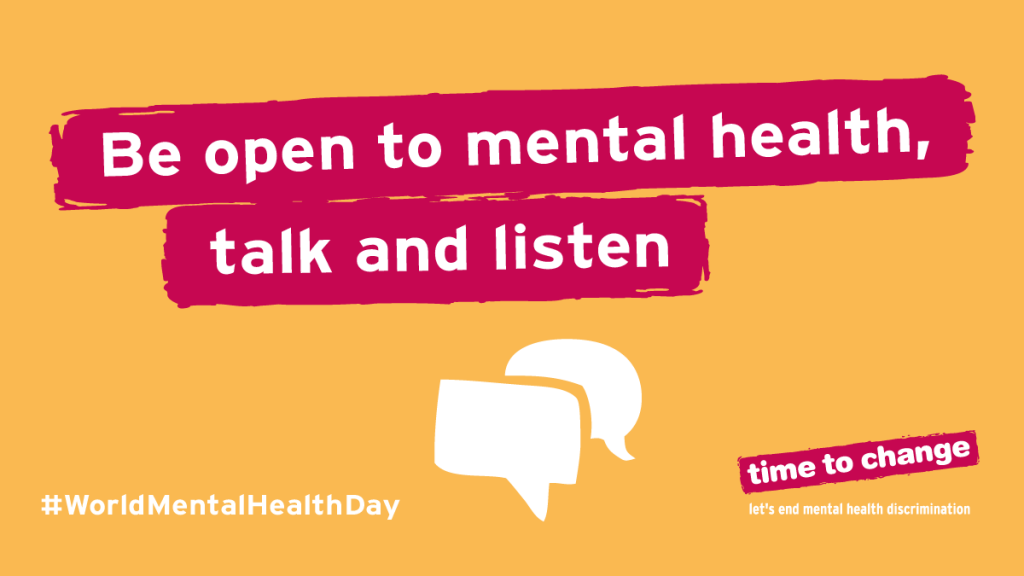
World Mental Health Day 2020 is this Saturday 10th October. More than ever this year people will be more aware of their own mental health, possibly the mental health of others close to them and coping strategies to deal with struggles they may be facing. In support of World Mental Health Day and mental health and wellbeing in general our career coach Bertha has written a two part series including tips on how you can try to achieve a stress-free academic life.
University life comes with many new experiences, and it is normal to feel overwhelmed. There is a lot of pressure to start your adult life off right, which means a lot of stress- balancing work, studying, and an active social life isn’t easy! But you can take some steps to make your transition and adaptation to the new normal a lot easier. Beginning university can be challenging even for the most relaxed students. For many it’s the first time living away from family, friends and home comforts but there are things you can do to keep the worry at bay.
To many, university life is synonymous to stress. The hurdle of being on time for lectures, working with different kinds of people on group projects, sleepless nights on researches/exams preparation, coursework deadlines, living with strangers you do not get on with, thinking about the future and not to mention the financial stress encountered in keeping up with your university needs; all these can accumulate stress.
Few students can go through all of these stressful activities without breaking down at some point or the other while some can’t cope with them and end up taking a bed in the hospital, especially during semester exam periods when the pressure is at its peak. As a student, the thought of living a stress-free life in campus was unimaginable.
Stress is a natural feeling, designed to help you cope in challenging situations. In small amounts it can be good, because it pushes you to work hard and do your best, such as during exams. But if you’re feeling very stressed or feel you cannot manage stress, it can lead to ‘poor mental health’ such as depression and anxiety. It can also affect your academic performance.
Attending university can be daunting yet exciting. Thinking back to my first year, I can still remember some of my stressful days. I believed there was always a price to pay to achieve anything and academic excellence was no exception. I saw anything not university related as a total waste of my time, I got so engrafted with my coursework that I probably didn’t have a life outside of it. This was in my first year, that “serious year” in every student’s life which served as a foundation for building better grades.
It wasn’t until I had my first major breakdown that I realised the importance of managing my stress levels as a university student. I discovered that I had developed unhealthy habits like eating too much fast food and had a really poor work-life balance which sapped my energy and raised my stress levels. Therefore, I sort for a way out and made amazing discoveries in my second year that it’s possible to live a stress-free life and still make the best grades.
These tips should help you with managing and overcoming academic stress. Make the most of university life & you’ll have the energy to embrace all the great new experiences that come with it and become a better person. This will be a two-part blog series.

Know thy environs
It is very important that you familiarise yourself with your new campus. Give yourself time to get to know your campus. Take the time to get to know the university town and surrounding neighbourhoods as well as the city centre and shopping malls. Find all your classes before they start so you don’t feel lost at the beginning of the semester. You could go on campus tours
You could also decorate your accommodation/room to make it feel like home by putting up pictures of your family/friends on wall or just decorating with items that will remind you of home so you can cope better and won’t get home sick.
Make plans!
I am sure that you know the famous “if you fail to plan, you plan to fail”, this is so true especially at Uni. Make an effort to plan your time to help you keep track of your work. Break it down into manageable chunks so you can keep up with deadlines. Create a proper schedule that will help you manage your academics and other activities in a more efficient manner.
For most modules, you’ll get a course outline detailing everything you’ll cover along with the due dates for assignments and coursework. Take note of everything expected of you this semester and log your due dates in a planner, make time every day to study and stay on top of your work. Those dates come up fast, so keeping a regular study schedule can help you hit your deadlines without feeling overwhelmed.
Tick tock goes the clock
Making plans goes hand in hand with managing your time effectively. People often get stressed when they feel that they’re running out of time to complete something. However, simple time management techniques can help you to feel relaxed and focused.
Try creating a written work schedule, breaking your tasks down into manageable chunks and planning accordingly. Divide your work into urgent and non-urgent tasks, and important and non-important tasks.
One of the best ways to make study time is to stick to a schedule. That means if you don’t have a class until noon, waking up at 8:00 am gives you four hours to eat a good meal, get in some exercise, and make time for your studies. It’s tempting to set your schedule by your class times, but it also means you’re always chasing the clock. Keeping a consistent routine throughout the week means you’ll always have time to spare.
Know what works for you
It is crucial for you to understand your unique study style. This in essence is the study style which works for you. Different people learn in different ways. If you’re worried about your course workload, you could speak to your tutor about this and start a study group if need be. Learn how you work best: do you get work done sharing ideas in a group, or will other ideas and voices just distract you? Do you need to study in long or short blocks of time? Do you study best by writing notes or listening to lectures? Spend time with your school’s academic counsellors to figure out the study style that works best for you. Understand your academic capabilities, what is expected of you and try not to have unreasonable expectations.
Money makes the world go round!
One of the more unpleasant experiences of university life is paying your own bills and managing your own finances or trying to stick to a really tight budget. This goes to show that indeed independence comes with a price. At university, if you are unable to manage your money well then you will often go broke and this certainly will stress you out because you may be unable to purchase the things that you need. Try to avoid spending impulsively and get only the things that are necessary for your course or upkeep. Save money by purchasing pre-owned items and taking advantage of student discounts. You’ll be amazed by all the places you can get one.
Carry your ID card everywhere to take advantage of any discounts exclusive to students only as most places will insist on seeing your student card. Budgeting is also very important because you will be able to set aside money for only necessary expenses. Make sure to budget for fun things too so you don’t need to worry after a little splurge.
Work work work work work work
It can be tough to balance work and school in Uni. I often consider going to Uni as a full-time job which means that any job I take on by the side has to be part time. Don’t let yourself get overwhelmed. Securing a part-time job could help you earn some extra cash to support yourself while in Uni. On-campus jobs could give you the opportunity of having a flexible work schedule. You could find available part-time and on-campus jobs on Unitemps and MyCareer. Furthermore, the career and personal development team at the University are available to support you in finding and applying for jobs.
No man is an island
At Uni, it is important to connect with others in your field of interests. From my experience, connections create opportunities which can be beneficial to you before heading out into your prospective career. The University offers different networking events from time to time so do check them out and make an effort to attend some of them. This may seem scary at first but being able to create professional relationships with other students and professors on campus is very rewarding and I am sure you will find it valuable.
Make new friends and try new things at uni. Developing new skills and bonding at events whether online or face-to-face is a great way to develop lifelong friendships and connections. Studying is also important, so creating new friendships and experiencing everything the campus has to offer means keeping a good work-life balance. That skill will be important long after graduation. The connections and friendships you make are as important to your mental health as good grades are to your future.
It’s obvious that you aren’t an island but human, so start acting like one and relate with people. This goes a long way in relieving you from academic stress because it’s shared. Come out of your shell and recognize the fact that a load too heavy for one to bear may not be when shared amongst two or more persons. Being with friends takes your mind off stress and gives you something else to think of other than school stress.
Furthermore, cultivating a healthy relationship with your lecturers and course tutors will help you feel more relaxed and comfortable in class. You’ll find the relationships between students and university lecturers are often less formal than you’re used to, but you should still be respectful and attentive of their time. Get to know your professors. Building a connection doesn’t have to just mean popping by their office to chat either. You should also get to know their office hours and participate in class discussions. This could be favourable for you if you need them to write a reference for you or give a recommendation.
To be continued…
To speak to one of our Career Coaches get in touch:
Email: careers@staffs.ac.uk
Twitter: @CareersAtStaffs
Instagram: @CareersAtStaffs
Facebook: Staffordshire University Career & Personal Development
LinkedIn: @CareersAtStaffs